

For a long time, fashion has been about fitting in rather than standing out—or feeling good. For many men with disabilities or mobility challenges, this created a gap between functionality and style. That gap is finally closing, as adaptive fashion gains momentum and redefines what it means to dress well and feel confident. It’s not just about looking good—it’s about clothing that helps support emotional strength, personal independence, and mental clarity.
A New Standard for Everyday Wear
There’s been a noticeable shift in how fashion speaks to real people and real bodies. What used to be a quiet corner of the apparel industry is now becoming more visible and impactful. And when you take a look at today’s men’s adaptive clothing options, you don’t just see garments—you see intention, innovation, and dignity woven into design. These pieces aren’t afterthoughts; they’re crafted to reflect personality, respect individuality, and make dressing an experience, not a chore.
The Mental Ease of Comfortable Clothing
Comfort in clothing might sound like a simple need, but its psychological impact runs deep. When clothes are easy to wear and feel good all day, they reduce stress and distraction. For men who previously had to struggle with traditional designs, adaptive wear offers a sense of relief—and that relief supports mental calm. Being able to move freely and dress independently can improve mood and boost confidence, making each day a little more manageable and empowering.

Visibility That Builds Identity
Seeing yourself reflected in fashion—whether in marketing, media or on social feeds—can influence how you view your worth. Adaptive menswear is helping redefine who gets to be seen in style, and that visibility is powerful. When clothing brands embrace all bodies and abilities, it affirms that no one is being left out of the narrative. This sense of inclusion not only reshapes fashion but also reinforces self-esteem and emotional validation.
Personal Style as a Daily Uplift
Wearing something that truly feels like “you” does more than elevate your outfit—it lifts your mindset. Adaptive clothing allows men to reclaim that personal style, often lost in compromise. Whether it’s the independence of getting dressed on your own or the quiet pride in a well-fitting jacket, these moments contribute to how someone feels about themselves. It’s not about flashy trends—it’s about owning your space, your identity, and your day.

Beyond Function: Emotional Impact
Adaptive style has always been about more than solving a physical challenge. It’s about restoring agency. For many men, the ability to dress in a way that fits both their body and personality becomes a daily affirmation of self-worth. It tells them they’re not defined by limitations. That emotional lift—small but powerful—is part of what makes adaptive menswear such a meaningful addition to modern fashion. Adaptive clothing isn’t just improving closets—it’s improving lives. By meeting both physical and emotional needs, these designs are helping men show up in the world with confidence, ease, and authenticity. Mental wellness starts with feeling like yourself, and the right clothes can help get you there. Adaptive fashion proves that dignity, comfort, and style can (and should) go hand in hand—for every man, every day.


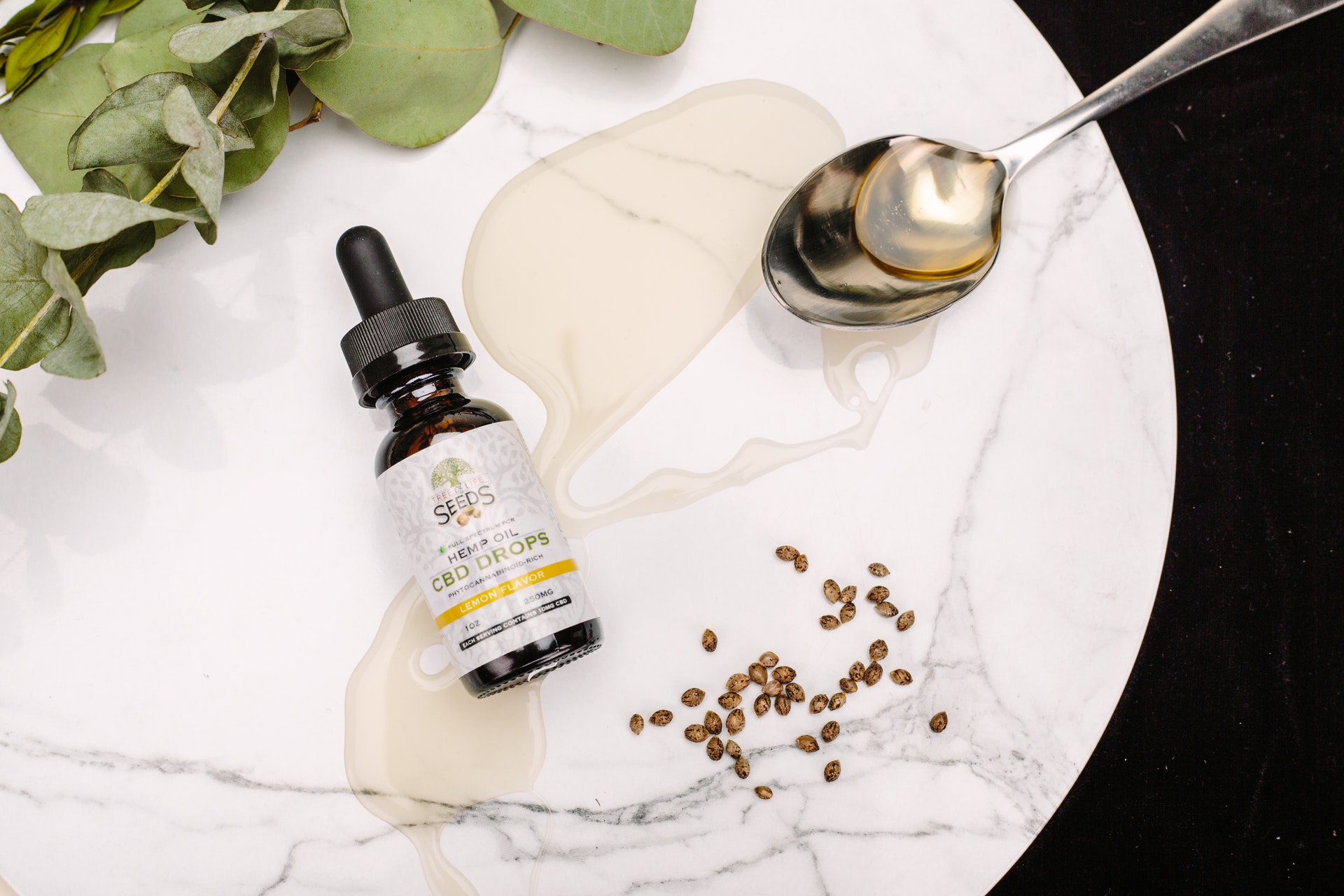
 Cervical cancer is also a major problem for girls, especially among girls in sub-Saharan Africa. The analysis said that cannabidiol was an excellent tool to fight various diseases of bronchial nature and against gastrointestinal diseases.
 Animals, such as rats, are used to study the anxiety effects of CBD oil infusion. Typically, exposure to such a predator can cause stress in rats and lead to PTSD, post-traumatic anxiety disorder. CBD oil has also been used to block some learning and memories of negative events.
 When you are acne-prone, you need to be careful about your products.
 If you have acne-prone skin, it is best to go with spot treatment rather than a full-face treatment. Spot treatments are designed to target specific areas of your face, which means that they are less likely to dry out your skin or cause any irritation.