Acupuncture as an Alternative Treatment for Chronic Pain

Many do not go to a specialist to learn how to treat and alleviate their symptoms. A belief that aging causes pain, or since they do not receive any analgesic treatment that delays the increase in this diagnostics, consequently, improves their health.

Today we live in a new era of Tech Sling medicine where alternative medicine is added to standard medicine, which, on the whole, leads to much better results in the inhibition of chronic pain or neuropathy. One to that is acupuncture.

What Is Acupuncture?

Acupuncture is more effective in treating 49 diseases and disorders. This traditional Chinese technique has its origin in the human body’s idea to obtain a system of interconnected points where the energy flows. There is a blockage or stagnation of its strength in the channel when the pain occurs. Its placement provided points in areas of the body, allow conduction that is good for triggering reactions—shown to be useful in treating back pain, neuropathic pain, and fibromyalgia, and joint and musculoskeletal pain. It also acts on procedural levels that are metabolic and nervous.

acupuncture

Although it is a straightforward and painless process, it is not entirely benign. Particular attention must be paid to the elderly, in most affected areas, to people with blood clotting disorders or acute psychiatric or neurological disorders. It is essential to consult the pain specialist who determines the type of alternative medicine.

Advantages of Acupuncture

Acupuncture has proven its benefits in the treatment of chronic pain. Still, it also has several unique components, such as progress in physical recovery, digestion, or the reduction of anxiety, fear, and depression. It is proven to improve blood circulation by regulating blood flow that promotes the involvement of oxygen and nutrients. Medications are often not enough to deal with chronic pain. However, several remedies have proven effective in treating this condition.

They affect cognitive and mental functions, disturb sleep due to stress and depression, and reduce libido. The first line of defense against this threat is usually pharmacological treatment, but this is insufficient and involves dangers such as abdominal pain or addiction-reason why more and more people are turning to this pain relief.

No Adverse Effects

feet

According to some specialists, the body signals or excites. The positive aspect of this practice has been the absence of adverse effects with modest progress, even if the needles are placed only on the meridians (energy medium, according to Chinese custom). Patients receive the same benefits. If this procedure performs correctly, it causes little or no ache.

Other Benefits

Among the many benefits of acupuncture are improving blood circulation, lowering blood pressure, promoting the elimination of toxic products from the circulatory system, improving muscle tone, and preventing muscle waste and reducing psychological stress.

Researchers know that physical contact and acupuncture treatment helps to relieve pain, although they do not understand how this works.
Related Post

nurse

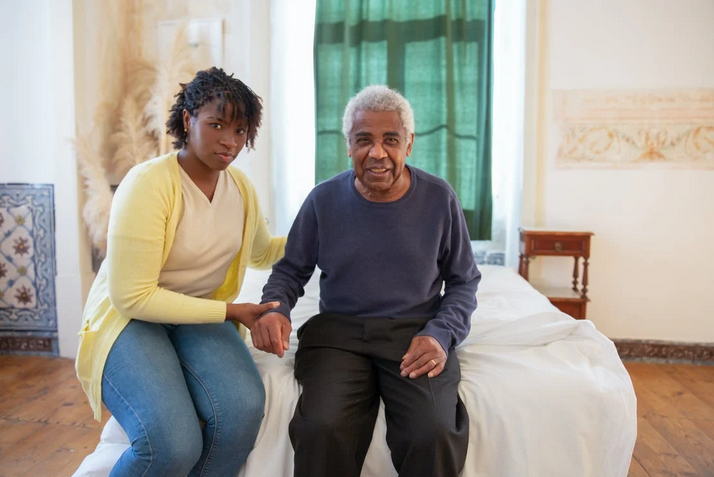
How to Take Care of an Elder at Home Like a Nurse

If you have an elderly parent or relative who needs help taking care of themselves, it can be challenging to know where to start. How do you ensure they are getting the best care possible? How can you make sure they are comfortable and safe in their own home? We’ve covered the important bits from thewackyduo.com on how to take care of an elder at home like a nurse.

We will provide tips and advice on everything from bathing and grooming to medication management and nutrition. Follow these steps, and your loved one will be able to live comfortably at home for many years to come!

Learn More About Their Diseases and Condition

assisted livingWhen treating a patient, you need to learn everything about their diseases and condition. This is the same for taking care of an elderly parent or relative. The more you know about what they are dealing with, the better equipped you will help them.

When we say everything, we mean everything. You have to know about their lifestyle, diet, medications, medical history, and more. Once you have all of this information, you can start to develop a care plan that will work for them.

Make a Schedule and Follow It

One of the most important things you can do for an elderly patient is making a schedule and follow it. This will help them stay on track with their medications, meals, and activities. It will also help you keep track of how they are doing and what needs to be done each day.

The schedule should be flexible enough to accommodate changes, but it should also be strict enough to keep them on track.

Be Patient With Them

It’s important to remember that elderly patients may not be able to do things as quickly as you can. They may need help with simple tasks like bathing and getting dressed. It’s essential to be patient with them and take the time to help them.

It would be best if you also were patient when it comes to their moods and emotions. They may have good days and bad days. It’s essential to be there for them no matter what.

Make Time for Recreations

outsideOlder people may be retired, but they are not plants. They still need to have some recreation in their lives. This can be anything from watching their favorite TV show to going for a walk around the block. It’s crucial to find out what they like to do and make time for it in their schedule. Recreational activities will help them stay active and engaged in life.

Taking care of an elderly parent or relative can be a challenge, but it’s also advantageous. By following these steps, you can ensure that they get the best possible care. You will also build a strong bond with them and create lasting memories. Thanks for reading.

health

Health Education Tips for Families

Do you know how to stay healthy and thin? What do you do for your lifestyle to keep your family healthy? It’s about getting a wellness education. To know more about health education, click here: https://www.samu-urgences-de-france.fr/fr/formation-journees/agenda/cgr_id/796. Here are ways to make health a priority.

Work as a Team

It would help if you guided your shopping to get your family involved. Giving everyone a voice with each other your lifestyle choices and set some goals.

Don’t Starve

Most diets contribute to people’s well-being and are restrictive. Your body starts to produce the hormone ghrelin, which makes you hungry if you don’t eat. The result is that you end up eating more unhealthy foods when you can eat simple snacks like almonds or carrots.

Automate Meals

As Americans, we’re famous for skipping meals every day. The reason breakfast and lunch are so important is that it’s the first thing to eat after 9 hours of sleep, choose some basics or simple foods that are quick and easy, and eat them. Use dinner to be creative.

Exercise Everyday

exercise

At home, try to do 30 minutes of exercise each time. You’re making it hard to keep up with the training if you want to push for exercise. If necessary, divide the 30 minutes into 2 exercise units such as walking, running, cycling, carrying weights, and training with strength.

Be the Decision Maker

If it comes to food, it will be consumed, especially by your children. If you buy the cookies and chips, they (and probably you) will eat them, and if you try to limit them, it will make them want more food. Avoid taking these foods with you. Buy some fruit and vegetables and bring snacks, pretzels, and nuts with you.

Play Together

A part of your fitness program must not be impaired. Whether that means dancing and singing, kicking a soccer ball, being tough, or whatever brings out your inner child.You can contact the medical staff at the Regional Medical Center of Guadalupe if you want to know more about where you can find health education.

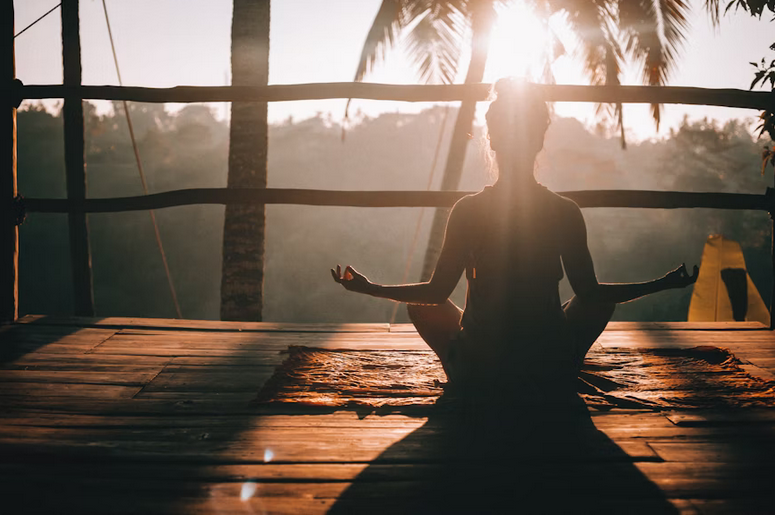
morning meditation

How Meditation Supports Immune System and Lowers Inflammation

Your mental state affects your physical health more than you might think. Stress, anxiety, and constant mental tension take a toll on your body. The immune system, in particular, is sensitive to chronic stress. Over time, stress weakens your defenses and increases inflammation. Meditation directly targets that process. Calming the mind helps regulate the body, and this thoughtful look at the power of meditation highlights that this connection forms the basis for meditation’s role in immune support.

Knowing What Happens During Stress

When you’re under stress, your body releases cortisol and adrenaline. These hormones are useful in short bursts. But when stress is constant, it becomes a problem. High cortisol suppresses the immune response and triggers inflammation. It’s your body’s way of staying alert. But over time, it wears you down. That’s why long-term stress is linked to more colds, infections, and even chronic disease. Meditation works by lowering the stress response at its root.

Lowering Inflammation Through Relaxation

One of the clearest effects of regular meditation is reduced inflammation. Inflammatory markers like C-reactive protein (CRP) and interleukin-6 (IL-6) tend to drop in people who meditate consistently. This matters because inflammation is behind many health issues, such as heart disease, autoimmune disorders, and joint pain, to name a few. When the body relaxes, the nervous system shifts into parasympathetic mode. This is the “rest and repair” state. In that state, the body slows down unnecessary responses, including inflammation.

Boosting Immune Function Naturally

sick

Meditation not only reduces harmful stress, but it also boosts immune efficiency. Studies show that people who meditate produce more antibodies after vaccines and have stronger responses to infection. This isn’t magic. It’s physiology. A calmer mind supports better communication between the brain and the immune system. The result is a more balanced and prepared defense system. Meditation may not replace medicine, but it enhances the body’s natural protection.

Considering Sleep, Recovery, and Immune Strength

Sleep plays a major role in immune health. Poor sleep increases inflammation and weakens resistance to illness. Meditation improves sleep quality by helping you fall asleep faster and stay asleep longer. It reduces racing thoughts and nighttime restlessness. That makes recovery deeper and more consistent. Better rest gives your immune system the time it needs to repair and regulate itself. This indirect effect of meditation is just as important as the direct ones.

Understanding That Consistency Matters Most

consistency

Meditation isn’t a one-time fix. The benefits build with regular practice. Short sessions done daily often work better than long sessions done occasionally. Even ten minutes a day can bring changes. To see effects on immune health, stay consistent for several weeks or more. The nervous system needs repetition to adapt. With time, your baseline stress lowers, inflammation drops, and your immune response becomes more efficient. This is how you ensure long-term results.

Meditation is more than a mental break. It’s a practical tool for supporting health from the inside out. By lowering stress, improving sleep, and reducing inflammation, it helps create a stable internal environment. That stability gives your immune system the space and energy to do its job. For those seeking a low-cost, drug-free way to support wellness, meditation offers a unique path. It’s not instant, but with patience and practice, it delivers benefits that go well beyond calmness. And in a world full of daily stressors, that’s worth the effort.