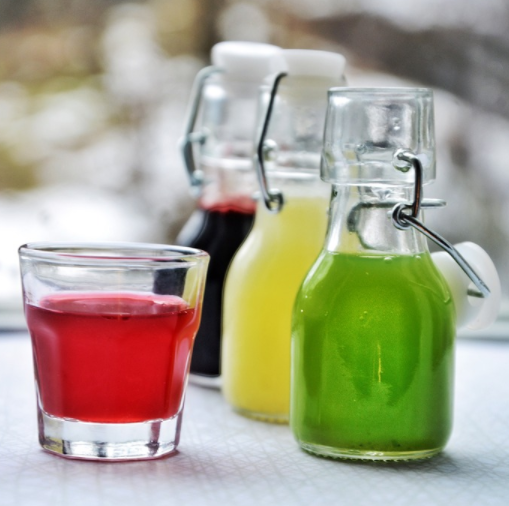
Barley is a type of grain that we can use to make bread. This type of bread is called barley bread. It is considered as one of the oldest types of food that until now exist. They are already created in ancient times and being eaten by Hebrews, Romans, or Greek people. Click this source to know more about other types of bread. Listed below are the health benefits of eating barley.
Low Fat
It’s low in fat and is well proven to decrease craving some forms for meals. That is the reason it can be helpful, it functions as an appetite suppressant, making folks feel as they’ve consumed more than they have.
Lower Blood Sugar and Cholesterol
Eating barley is thought to be as good for intestines. Fiber from barley is beneficial in keeping a wholesome colon and creating your system operate smoothly. Its low-fat content helps our body to stay healthy, wherein it does not build up so much cholesterol in our body. Also, because it only has a neutral flavor, your blood sugar will not rise even you eat a lot of barley bread.

Rich in Niacin
Barley is rich or full of niacin, which is remarkably effective in decreasing the chance of cardiovascular ailments and blood clots.
Low Sugar
It’s also great for men who have diabetes and may take the place of food where rice is banned. Barley might be a breakfast option than cereal oats for men with Type 2 diabetes. Consuming it’s proven to lower the possibility of increasing diabetes.
Rich in Selenium
Barley bread has a high content of selenium, a helpful mineral that can build-up particular proteins called antioxidant enzymes that help protect cell damage.

 Another critical factor to consider when choosing a gym backpack is the size. You want to ensure that the bag is large enough to fit all your gear but not so large that it becomes cumbersome. If you’re unsure what size to get, we recommend using a medium or large backpack.
 Finally, you’ll want to ensure that the bag straps are comfortable. You’ll be carrying your backpack for long periods, so you don’t want straps that dig into your shoulders. Look for a bag with padded straps and a chest strap for added comfort. Also, make sure that the backpack has a waist strap to help distribute the weight more evenly.
 To follow a vegetarian diet, you cannot eat anything that is made with dairy or honey. You also cannot eat anything made with eggs or pulverized bones, or animal organs. It usually means that you have to check the ingredients of everything you are about to put in your mouth. Gelatin is also no longer allowed. It is made from the bones, tendons, and ligaments of animals (usually cows). Some products are marketed as “vegan gelatin,” but they are made from different products, such as flowers, that mimic gelatin. However, dark chocolate may be on the list of foods that do not yet contain legumes.
 ou’ll find a growing number of foods made with plant-based ingredients that mimic the taste and texture of foods made with dairy alternatives. For example, it is very difficult to tell vegan cheese from regular cheese. You don’t need to go to a health food store to get vegan foods. You can now generate a dish that replicates their favorite foods, only without meat and dairy! Vegetarian food doesn’t have to be boring. Many people don’t want to cook every meal or are only too busy. I promise you can find some vegan food options at any restaurant, coffee shop, or grocery store these days.